



 TEL:13615481234


The cause of hook torsion in gantry cranes
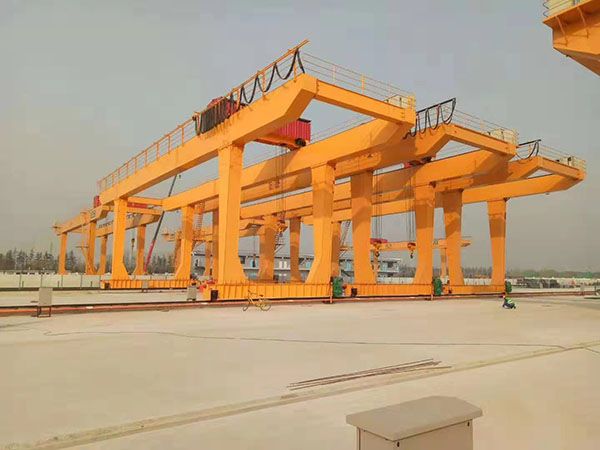
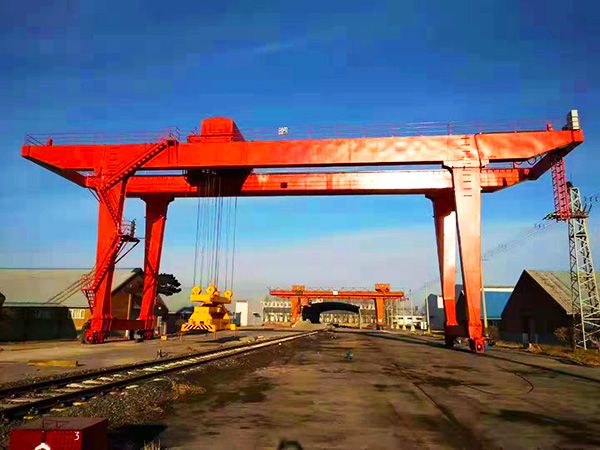
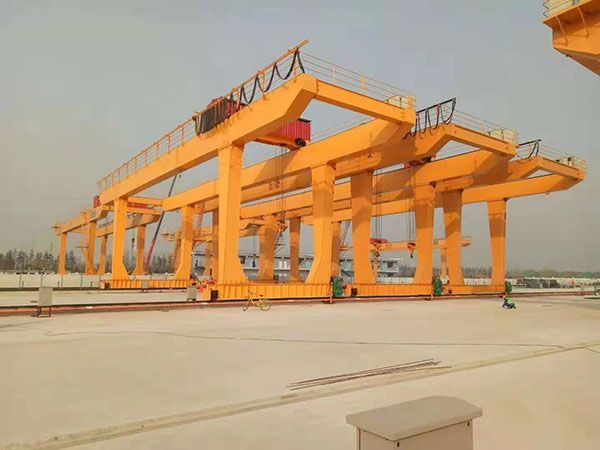
Shandong gantry crane manufacturer introduces the causes of hook torsion in gantry cranes. Portal cranes, also known as gantry cranes, are mainly used for loading and unloading operations of outdoor cargo yards, material yards, and bulk cargo. It is widely used in practice, but if operated improperly, safety accidents can easily occur. For example, gantry cranes often twist when lifting heavy objects without any warning. But at that time, the object was already working in mid air and could not stop moving, only waiting for the completion of the work. But watching such a heavy object rotate in the air is still very dangerous, with the possibility of falling at any time.
Similar incidents often lead users to believe that it is a quality issue with the steel wire rope that prevents normal operation. But in fact, no matter what model or quality of crane it is, it will twist when generating force. However, the rotation of the hook will affect the normal operation of the lifting operation and pose a serious threat to the safety of the workers.
1. The greater the weight borne by a single steel wire rope, the greater the possibility of the hook rotating;
2. The odd number matching of the wire rope for the hook is easier to rotate than the even number matching, and the fewer matching numbers of the wire rope for the hook, the greater the possibility of the hook rotating;
3. The larger the crane, the higher its lifting height, that is, the longer the wire rope between the boom pulley group and the hook, and the greater the possibility of the hook rotating;
4. During the lifting process, external forces such as manpower or wind force push the hook to rotate, causing unstable operation by the driver and resulting in the hook and heavy object swinging, causing the hook to rotate;
5. The winding method of the hook causes imbalance and rotation of the hook;
6. The smaller the external dimensions of the hook component and the size of its pulley, the greater the possibility of hook rotation;
7. The speed of operating the lifting hook of the crane is unstable, especially when heavy objects are off the ground, there is a possibility of the hook rotating.
After understanding the reasons for the twisting of the crane, it is necessary to make changes according to the causes to avoid the above situation, which can greatly reduce the phenomenon of twisting when lifting heavy objects.
| Previous:Precautions for safe use of bridge crane | Next:Noise reduction methods for double-beam cranes |



 Home
Home
 Tel
Tel
 Product